

Free Application Code
A $25 Value
"*" indicates required fields

Your security is our priority.
CSU Global partners with VerifiNow to verify applicant authenticity and uphold the integrity of our academic community.
Colorado State University Global
Blog
January 22, 2026
Your service shaped you, but it doesn’t limit you. Academia is a new mission—one that you get to define.
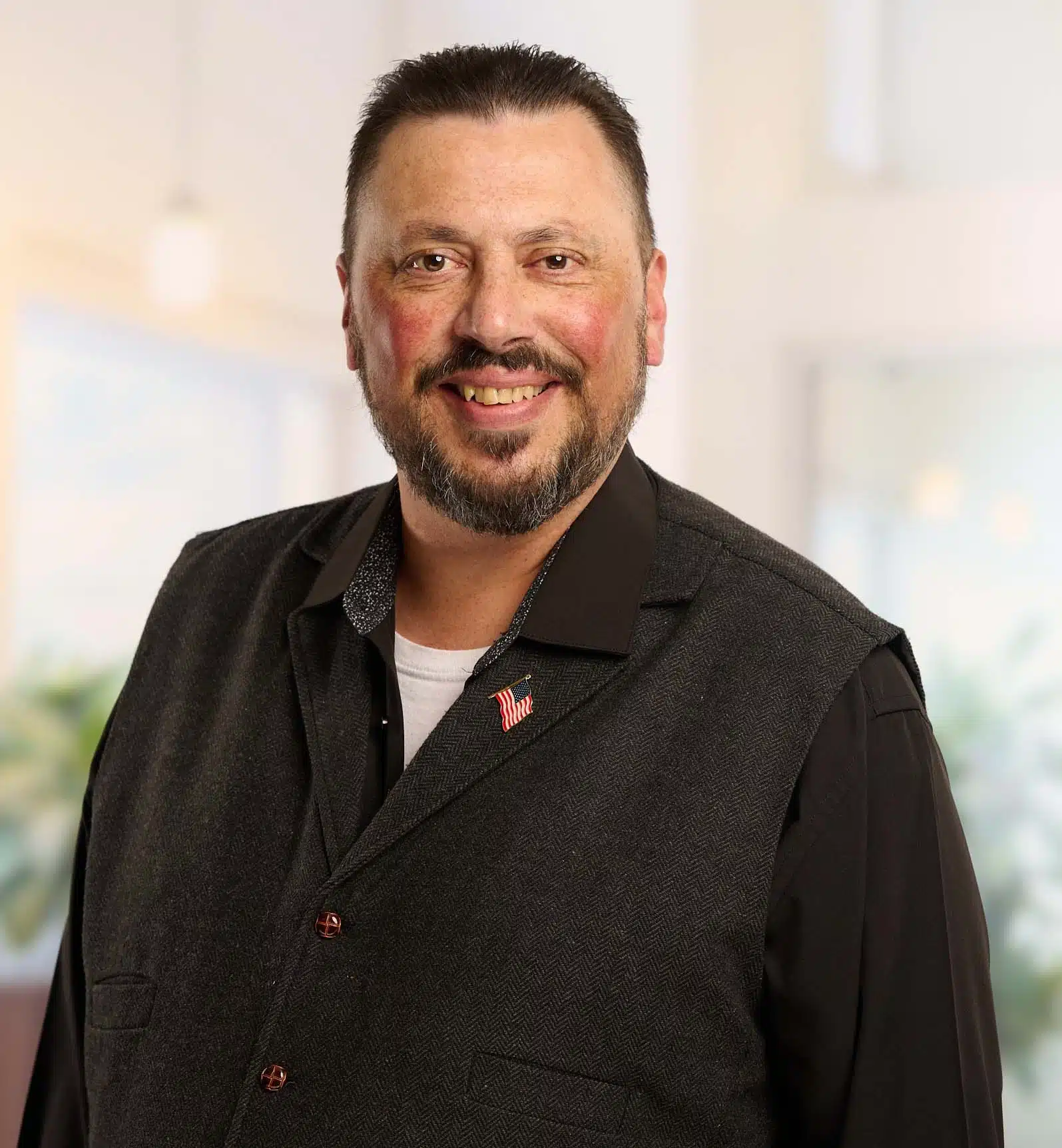
David Valenzuela
Student Veteran Organization Vice President
Guest article by David Valenzuela, Vice President, Student Veterans Organization
Transitioning from military service to higher education is one of the most meaningful—and challenging—shifts a veteran can make. The change from a structured, mission‑driven environment to the flexibility of academic life can feel disorienting at first. But it also opens the door to rediscovering purpose, building new skills, and shaping a future that reflects who you are beyond the uniform.
As a student veteran myself, I’ve experienced the highs, lows, and unexpected lessons that come with this transition. While every veteran’s journey is unique, many of us face similar challenges and breakthroughs along the way. Here are five strategies that have made a real difference in my own shift from service to school.
One of the biggest adjustments after leaving the military is the sudden freedom. No formations. No duty schedule. No one is telling you where to be or when to be there. That freedom can feel empowering—or overwhelming.
Creating a consistent routine helps bridge that gap. Whether it’s setting study hours, planning weekly goals, or carving out time for fitness, structure provides stability. It doesn’t need to look like your old military schedule; it just needs to support your academic success and mental well‑being.
Why it matters: Veterans thrive when expectations are clear. A routine gives you a sense of control and momentum.
Many veterans underestimate how transferable their military skills really are. Discipline, time management, leadership, adaptability, and resilience are powerful assets in the classroom.
For example:
Once you recognize these strengths, you start to see that you’re not starting from scratch—you’re building on a foundation most students don’t have.
One of the biggest challenges veterans face is the loss of camaraderie. The military gives you an instant team; college requires you to build one.
Whether you’re on campus or fully online, connection matters. Joining your Student Veteran Organization, participating in discussion boards, or simply reaching out to classmates can make a huge difference. Community provides support, accountability, and a sense of belonging that many veterans miss after service.
Tip: Even one meaningful connection can change your entire academic experience.
In the military, we’re trained to push through challenges. In school, that mindset can sometimes work against us. Asking for help isn’t weakness—it’s strategy.
Useful resources include:
Using these resources early prevents small issues from becoming major setbacks. You don’t have to navigate this transition alone.
Leaving the military can feel like losing a part of yourself. Many veterans struggle with identity shifts—going from a highly structured, purpose‑driven role to a more open‑ended academic environment.
It’s okay if the transition feels messy at times. It’s okay if you don’t have everything figured out. What matters is giving yourself space to grow, learn, and redefine what purpose looks like now.
Your service shaped you, but it doesn’t limit you. Academia is a new mission—one that you get to define.
Transitioning from service to academia is a journey filled with challenges, growth, and opportunity. Veterans bring resilience, leadership, and a mission‑focused mindset that enriches every classroom they enter. By building structure, leveraging your strengths, seeking support, and staying connected, you can thrive in this new chapter.
If you’re a student veteran navigating this transition, know that your experiences matter—and your story can inspire others. This community is stronger when we share what we’ve learned along the way.

A $25 Value
"*" indicates required fields
Your security is our priority.
CSU Global partners with VerifiNow to verify applicant authenticity and uphold the integrity of our academic community.